
What You’ll Gain from This Blog:
In this post, you’ll understand how IntelScope Pyramid model bridges technical cybersecurity detection with executive risk management. You’ll learn how to map raw technical signals into strategic decisions, see real-world examples from Australia’s threat landscape, and explore how global events reshape threat intelligence. Expect process-oriented insights, practical advice, and a structured walkthrough of each IntelScope layer.
This post is designed to support both cybersecurity professionals and executive stakeholders in aligning defense efforts with business outcomes.
IntelScope Pyramid
The IntelScope Pyramid is a layered intelligence model that allows organizations to map out their threat intelligence lifecycle from the rawest technical detail to the highest-level strategic decision. Each layer serves a specific purpose in turning signals into situational awareness, and ultimately, into informed board-level decisions. By following this model, organizations can improve both their responsiveness and long-term resilience. Organizations can have their own custom approach which is completely ok.
Additionally, each IntelScope layer aligns closely with Governance, Risk, and Compliance (GRC) disciplines—ensuring that threat intelligence is not just technical but also operationally and regulatorily effective.
Mapping IntelScope Pyramid Layers to Australian regulatory expectations and international frameworks:
| IntelScope Pyramid Layer | GRC Focus | Regulatory/Framework Alignment |
|---|---|---|
| TTPs & IoCs | Operational Risk Monitoring | CPS 234 (AU) – InfoSec controls, ISO 27001 Clause 9 (Monitoring & Review) |
| Threat Actor Profile | Threat Attribution & Risk Intelligence | SOCI Act (AU) – Critical Infrastructure Risk Identification |
| Internal Impact | Incident Impact Assessment | CPS 234 – Incident Response, Privacy Act, ISO 27001 Clause 6 (Risk Assessment) |
| Threat Forecasting | Strategic Risk Planning | CPS 230 (AU) – Operational Resilience Planning, ISO 31000 Risk Framework |
| Preparedness Plan | Control Effectiveness & Resilience | ISO 27001 A.5-A.17, CPS 230, SOCI Risk Management Programs |
| Risk Translation | Governance, Reporting, Decision Support | CPS 234 Board Attestation, ISO 27001 Clause 5 (Leadership) |

Let’s explore each layer of the pyramid — what it means, how it helps, how it maps to GRC and regulatory obligations, and how you can explain it in a boardroom or executive strategy session.
TTPs & IoCs – Technical Signals from Logs and Endpoints
GRC Focus: Operational Risk Monitoring
Regulatory Tie-ins: CPS 234, ISO 27001 Clause 9
What This Phase Is
This is where the magic starts — the raw technical intelligence. TTPs (Tactics, Techniques, and Procedures) and IoCs (Indicators of Compromise) are the primary artifacts used to detect and respond to early signs of intrusion. TTPs describe the methods and tools attackers use, while IoCs include data like file hashes, suspicious IP addresses, and domain names.
Security analysts rely on EDR, SIEM, and NDR tools to surface these patterns. It’s like trying to find a needle in a haystack — except the needle is moving, encrypted, and disguised as a paperclip.
GRC Mapping Example
This phase forms your first line of defense in risk registers and audit dashboards.
- From a GRC standpoint, this maps directly to operational risk detection.
- CPS 234 requires that controls be in place to detect threats promptly.
- ISO 27001 calls for continuous monitoring.
Boardroom Narrative
“Last quarter, our SOC detected over 3,200 anomalous connections from flagged IPs in Region A and Region B. These were blocked automatically, reducing potential lateral movement by 97%. Our controls align with CPS 234’s real-time detection requirements.”
| Example IoCs | Detected Method | Response Time |
|---|---|---|
| Malicious Domain | DNS sinkhole | 12 seconds |
| C2 Beaconing | NDR + UEBA | 8 seconds |
| Unauthorized Hash | EDR alert | 20 seconds |
😎 If your EDR doesn’t flag anything in a week, it’s either perfect… or asleep.
Threat Actor Profile – Context from External Sources
GRC Focus: Threat Attribution & Risk Intelligence
Regulatory Tie-ins: SOCI Act, ISO 27001 A.12.6.1
What This Phase Is
This layer answers: “Who’s behind this?” Threat actor profiling links the TTPs and IoCs with known attacker groups using behavioral signatures, intelligence feeds, and dark web monitoring. It’s how you learn the difference between a script kiddie and an APT group.
Threat profiles often include motivations (financial, political), geographic ties, and observed tactics. When overlaid with industry intel, they help prioritize which threats matter most.
GRC Mapping Example
- For critical infrastructure under the SOCI Act, knowing whether an actor is state-sponsored or criminal has legal and operational implications.
- ISO 27001 requires threat intelligence to be used in risk assessments.
Boardroom Narrative
“We linked the phishing infrastructure used in last month’s attempt to APT29, known for targeting healthcare and telecom in the APAC region. This prompted a CISO-led executive briefing and reinforced our threat-hunting cadence.”
| Actor | Attribution Source | Target Sector | Last Seen |
| APT29 | TI Vendor + MITRE | Healthcare, Telco | Jan 2024 |
| LockBit 3.0 | Dark Web & Reports | Insurance | Feb 2024 |
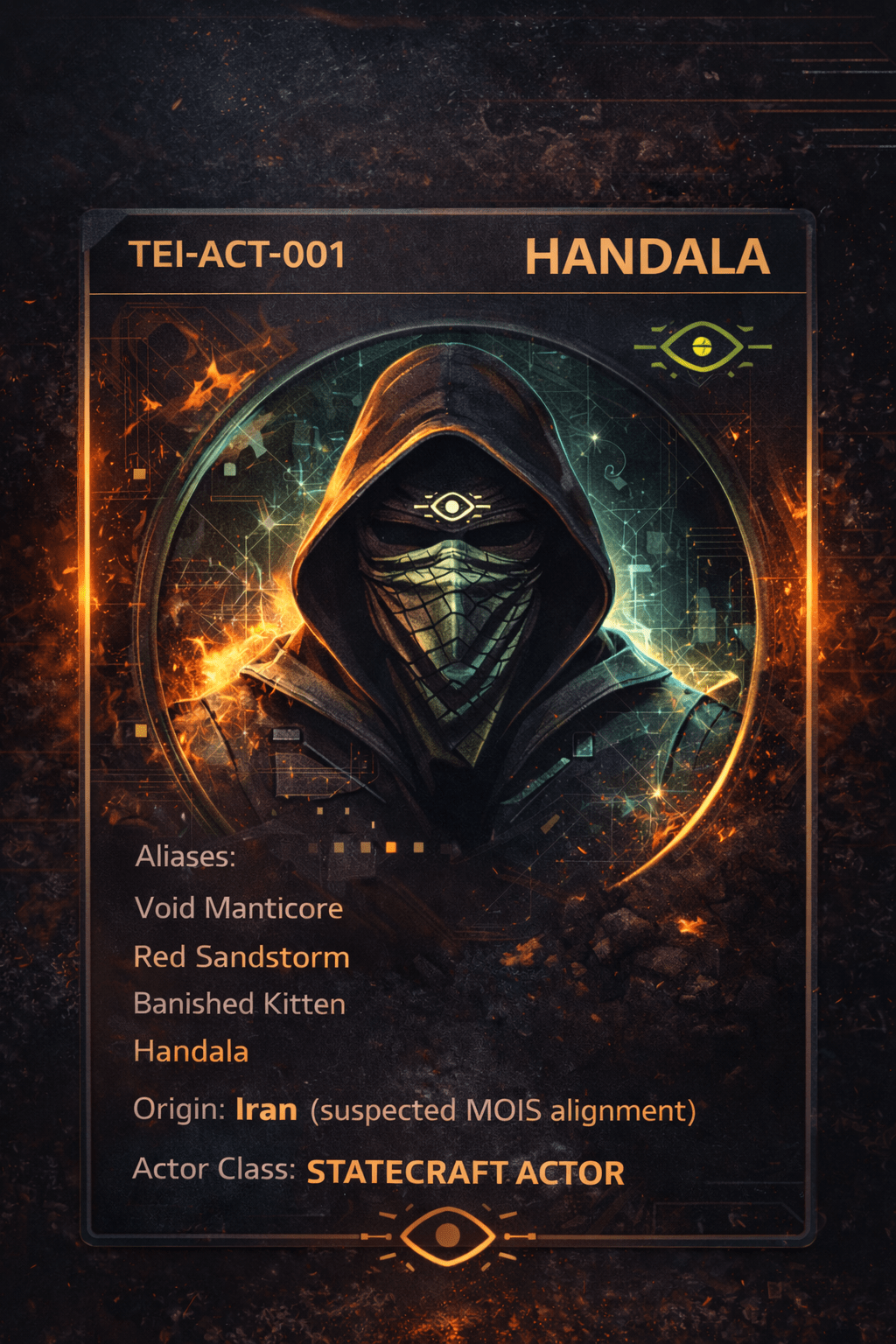
🎭 Yes, cybercrime has factions. If they had logos, we’d need a trading card deck.
Internal Impact – What They Did in Your Environment
GRC Focus: Incident Impact Assessment
Regulatory Tie-ins: CPS 234, Privacy Act, ISO 27001 Clause 6
What This Phase Is
This is the forensics zone. Once a breach occurs, it’s critical to understand what was accessed, how, and what the consequences are. Internal impact assessments focus on data exfiltration, service disruption, system manipulation, and credentials compromised.
Tools like DLP, SIEM for timeline mapping, and forensic agents become vital here. This is also where compliance, legal, and IR teams jump in — sometimes with urgency that surpasses caffeine limits.
GRC Mapping Example
- This supports CPS 234’s breach notification obligations and underpins Privacy Act disclosures.
- ISO 27001 expects a formal post-incident review process — not just panic-fueled patching.
Boardroom Narrative
“We confirmed data access involved 24,000 customer records, including identity documents. Under breach obligations, we notified the OAIC within 72 hours, issued customer guidance, and accelerated endpoint hardening by 3 weeks.”
| Impact Area | Affected Asset | Estimated Exposure |
| Identity Records | Customer DB | 24,000 records |
| Admin Credentials | Helpdesk Portal | 3 staff accounts |
🕵️ This is the “damage report” scene. Cue the dramatic music and incident bridge call.
Threat Forecasting – What They’re Likely to Do Next
GRC Focus: Strategic Risk Planning
Regulatory Tie-ins: CPS 230, ISO 31000
What This Phase Is
This phase turns cyber threat intelligence into forward-looking strategy. Threat forecasting analyzes behavioral trends, geopolitical context, industry-targeted activity, and seasonal attacker patterns to anticipate what’s coming next.
Forecasting uses threat modeling frameworks (like MITRE ATT&CK), AI-driven analytics, and red team findings to predict likely threat vectors, giving organizations a critical planning advantage.
GRC Mapping Example
- Forecasting supports CPS 230’s emphasis on proactive operational risk management and ISO 31000’s principle of anticipating emerging risks. It’s often reflected in risk registers, risk appetite statements, and scenario planning for board approval.
Boardroom Narrative
“Our quarterly threat landscape review indicates increased targeting of financial departments via deepfake voice fraud. Based on industry-wide trends and recent attempts, we’ve prioritized controls around payment authorization and executive authentication.”
| Forecasted Risk | Likely Attack Method | Mitigation Strategy |
| Executive Impersonation | Deepfake voice phishing | Voice biometrics, MFA gaps |
| Credential abuse | AI-driven password brute | Passwordless auth, FIDO2 |
🔮 If your cyber strategy can’t see beyond Q2, it’s not a strategy — it’s a wish.
Preparedness Plan – Your Layered Defense Strategy
GRC Focus: Control Effectiveness & Resilience
Regulatory Tie-ins: CPS 230, ISO 27001 A.16–A.17
What This Phase Is
This is the build phase — making sure you have the tools, teams, and tested workflows to defend, respond, and recover. It includes control maturity, IR readiness, backup strategy, and business continuity.
It’s not just about having a firewall. It’s about asking: does the right person know what to do when something bypasses that firewall on a Friday at 5 PM?
GRC Mapping Example
- CPS 230 requires institutions to demonstrate operational resilience and control testing.
- ISO 27001 mandates formal processes for incident response, continuity, and control validation.
Boardroom Narrative
“In a recent red team exercise, our average containment time improved by 22%, thanks to updated IR playbooks and more mature detection logic. This directly supports CPS 230 obligations and reduces unplanned outage risks.”
| Control Domain | Tooling/Response Layer | Audit/Metric Example |
| Endpoint Detection | XDR platform | Mean Time to Contain (MTC) |
| Backup and Recovery | Immutable backup infra | Recovery Point Objective |
| Threat Hunting | Purple team exercises | Residual Risk Score |
🧯 “Failing to plan is planning to fail.” And failing to patch is basically inviting ransomware in for coffee.
Boardroom Risk Translation – Aligning with Business Objectives
GRC Focus: Governance, Reporting, Decision Support
Regulatory Tie-ins: CPS 234 Board Attestation, ISO 27001 Clause 5
What This Phase Is
This is where intelligence goes from technical to strategic. The boardroom doesn’t need to know what port was targeted — they need to understand how it could impact business continuity, regulatory standing, and customer trust.
Effective translation requires mapping threats to financial risk, aligning mitigation with regulatory requirements, and presenting security as a business enabler — not just a cost center.
GRC Mapping Example
This supports CPS 234’s requirement for board-level security accountability and ISO 27001’s requirement for leadership commitment. It turns security from a silo into a strategic lever.
Boardroom Narrative
“Based on improved threat detection and faster IR coordination, our annualized loss expectancy dropped from $4.1M to $2.7M. We’re now within our board-approved cyber risk tolerance.”
| Risk Domain | Business Impact | Reporting Metric |
| Regulatory Risk | Data breach fine exposure | OAIC Compliance Score |
| Revenue Risk | Service outage downtime | SLA Deviation Hours |
| Brand/Trust Risk | Breach notification delays | NPS / Sentiment Decline |
💼 Remember: executives don’t need packet captures. They need confidence.
Global Threat Trends Impacting Intelligence
Russia–Ukraine War: Cyber Becomes Geopolitical
The Russia-Ukraine conflict marked a tipping point in the global threat landscape. From wiper malware like HermeticWiper to DDoS attacks on communication and transport, this war blurred the line between digital skirmishes and physical ones. But the impact wasn’t confined to Europe.
In 2024, Australian energy and logistics companies reported a 40% rise in targeted phishing and espionage-style attacks. Analysts linked many to APT groups with known ties to Eastern Europe.
Why it matters:
- These state-sponsored actors often target allies of Ukraine or nations enforcing sanctions against Russia.
- They are patient, funded, and deeply embedded.
| Sector Affected | Common Attack Vector | Known Actor |
| Energy | Credential harvesting | APT29 |
| Healthcare | Data extortion | Sandworm |
| Logistics | Wiper malware | UNC2452 |
Trump Tariffs and the Supply Chain Shuffle
The cybersecurity consequences of the U.S.–China tariff war have been significant. As businesses, including many in Australia, will likely race to replace Chinese hardware and tech vendors, the cybersecurity due diligence step can often be skipped — leaving gaps for adversaries to exploit.
Key Cybersecurity Impacts to consider:
- Australian firms sourcing lower-cost alternatives with minimal security testing.
- Firmware-level implants can be found in imported networking gear.
- Malware can be implanted in third-party software libraries and code repositories.
Hypothetical Scenario: Amid post-tariff supply chain shifts, an Australian critical infrastructure contractor sources temperature sensors from a lesser-known overseas vendor. Though not publicly reported, such supply chain shortcuts could allow these devices to communicate with unauthorized endpoints — enabling threat actors to passively monitor SCADA systems or exfiltrate data under the radar.
Real-World Context & Sources:
- Malware-laden firmware emerged from unvetted imports during tariff reshuffles (Thomson Reuters)
- V.O.S. Selections v. Trump case: small businesses challenged U.S. government over tariff impact and sourcing risks (Wikipedia)
- Economic pressure from tariffs forced sourcing from non-traditional, often insecure tech vendors (Washington Post)
| Cyber Risk Vector | Root Cause | Mitigation Strategy |
| Firmware Backdoor | Sourced from unverified vendor | Security screening before deploy |
| Shadow IT Platforms | Emergency procurement bypass | Network discovery & asset review |
| Software Dependency Risk | Third-party libraries unchecked | SBOM audits, code validation |
Why This Matters:
- CISOs must now treat procurement as a frontline security control.
- Tariff-induced supply shifts created conditions for threat actors to infiltrate supply chains.
Threat actors seizing the moment:
- Compromised firmware from grey-market vendors
- Malware pre-installed on “affordable” networking gear
- Third-party libraries with obfuscated payloads
| Risk Trigger | Cyber Consequence | Prevention Strategy |
| Emergency procurement | Shadow IT, data exfiltration | Third-party risk controls |
| Hardware re-sourcing | Firmware implants | Vendor audit checklists |
| Contract lapses | Insecure integration | Cyber clauses in SLAs |
💥 Lesson learned: When your vendor’s vendor is compromised, so are you.
Final Thoughts: Why IntelScope Matters Now More Than Ever
IntelScope isn’t just a model — it’s a mindset. One that connects the noisy world of technical indicators with the quiet power of strategic clarity.
In 2025 and beyond, the organizations that thrive will be the ones who:
- Forecast threats, not just react to them
- Treat cybersecurity as a risk language, not a toolset
- Invest in people and processes, not just platforms
If you’re a security leader, GRC professional, or executive sponsor — IntelScope gives you a structure to unify it all. From the log file to the boardroom, this is how you show value, stay compliant, and build trust.
🔐 The threat landscape won’t get easier — but with the right model, you’ll get sharper.






 Thirdeye Intelligence
Leave a comment